 By Admin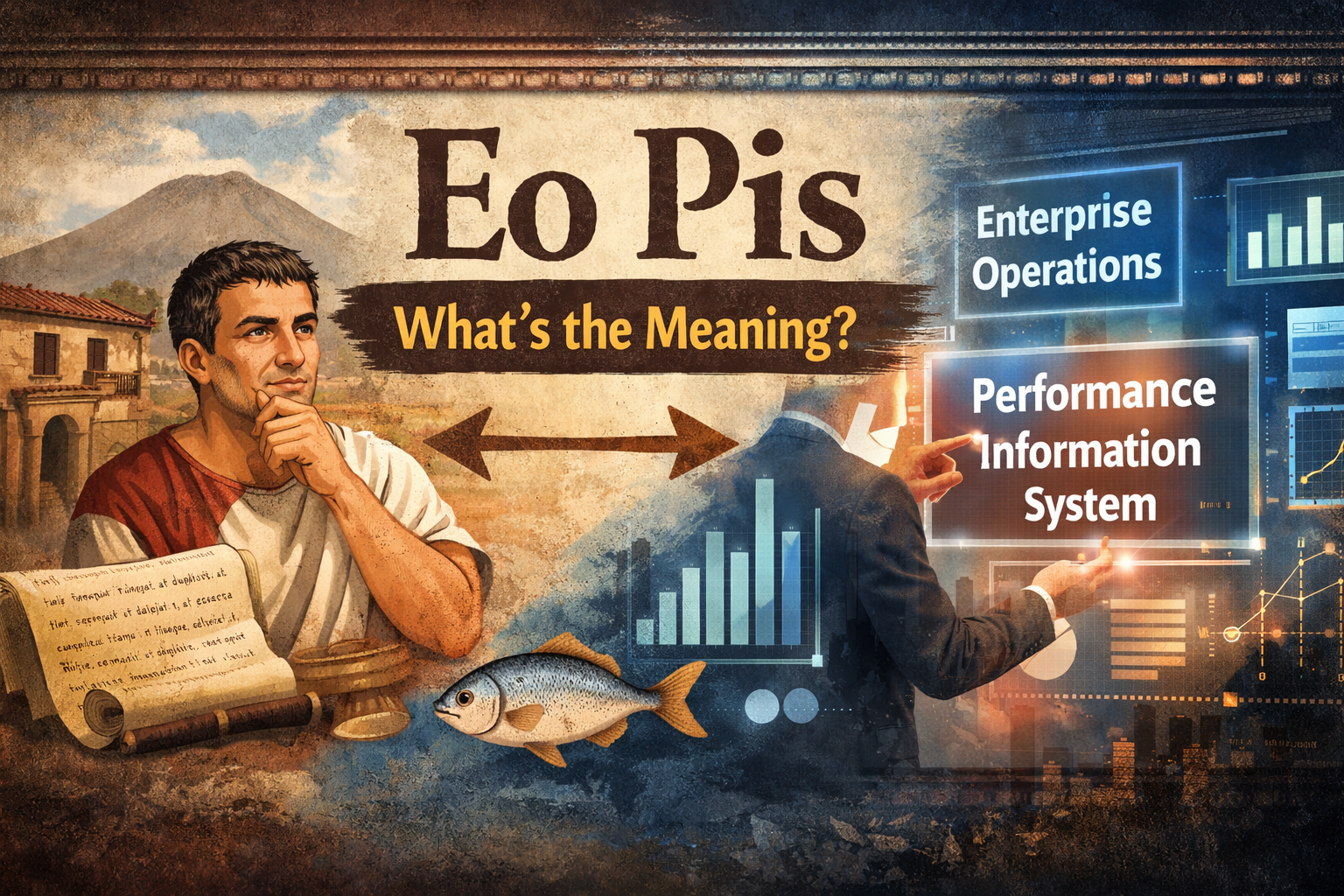
Sometimes a keyword looks simple… and then you search it and realize the internet has made it a little messy.
That’s exactly what happens with Eo Pis. Some people treat it like a Latin phrase. Others use it like a modern business term. And honestly, that confusion is part of why the keyword keeps getting searched. It catches the eye, feels unusual, and makes people pause for a second. “What does that even mean?” Fair question.
In the strongest educational context, Eo Pis seems to point back to beginner Latin learning. The Cambridge Latin Course is built around a reading-first, story-based method, and its early material follows Caecilius and his household in Pompeii. That matters because memorable little phrases tend to stick when they’re tied to a story, not just a grammar chart. And that’s probably why people still look this term up years later.
A quick look at the keyword
| Interpretation of “Eo Pis” | What it usually points to | Reliability |
|---|---|---|
| Latin-learning meaning | Linked to beginner Latin discussions around eo (“go”) and piscis (“fish”), often associated online with Cambridge Latin nostalgia | Moderate |
| Business acronym | Used by some recent sites for “Enterprise Operations Process/Performance Information System” | Low to moderate |
| General web buzz term | A recycled SEO-style keyword with inconsistent definitions | Moderate |
That table sums up the problem pretty well. The keyword exists online, yes. But it doesn’t live in one neat box.
Why Eo Pis feels memorable
This is the interesting part.
A strange little phrase like Eo Pis lingers because it has a few things working in its favor. It’s short. A bit odd. Slightly funny to the ear. And when learners connect a phrase to characters, place, and story, it becomes easier to remember than isolated vocabulary. Cambridge’s own materials emphasize that the course teaches Latin through reading, story, and Roman cultural context rather than dry memorization alone.
Here’s why that matters:
- Story helps memory. Readers remember people and scenes better than random word lists.
- Pompeii gives context. The world of Caecilius makes the language feel lived-in, not abstract.
- Short phrases stick. Especially the unusual ones… those stay with you.
- Curiosity does the rest. Once people half-remember a term, they search it.
And yes, that search behavior turns a small phrase into a keyword. That’s how the web works now.
But there’s another side to Eo Pis
Some modern websites now present EO Pis as a business framework. The issue is that they don’t even agree on the exact expansion of the letters. One page calls it Enterprise Operations Process Information System. Another uses a slightly different version tied to performance information. When definitions shift this much from site to site, it usually means the term is being shaped more by content trends than by a well-established industry standard.
So, for website content, that leaves you with two smart directions:
- Educational angle: explain the Latin-learning connection, the Cambridge context, and why the phrase keeps resurfacing.
- Search-intent angle: explain that the keyword is ambiguous and help readers understand the different meanings attached to it.
Honestly, the second angle is stronger for SEO because it matches real user confusion. People searching Eo Pis often aren’t looking for one clear answer. They’re trying to decode the term.
What should your readers take away?
Probably this: Eo Pis is an ambiguous keyword with a memorable feel and multiple online meanings.
In the most grounded sense, it connects best to Latin-learning culture, especially beginner Latin and the Cambridge reading approach built around Caecilius and Pompeii. But online, the term has also been repurposed into business-style explanations that don’t always match each other. That’s why a careful article works better than a flashy one here. Your reader needs clarity, not hype.
Final thoughts on Eo Pis
Some keywords are clean. This one isn’t.
But that’s not a bad thing. It actually gives you room to write something useful, human, and a bit different from the copy-paste pages already floating around. And that’s the real opportunity. A good Eo Pis article shouldn’t pretend the keyword has one perfect definition when the web clearly shows otherwise. It should explain the confusion, give readers the strongest context, and leave them feeling like they finally understand what they searched.
That kind of article feels more honest. More helpful too.
And usually… it performs better.