 By Admin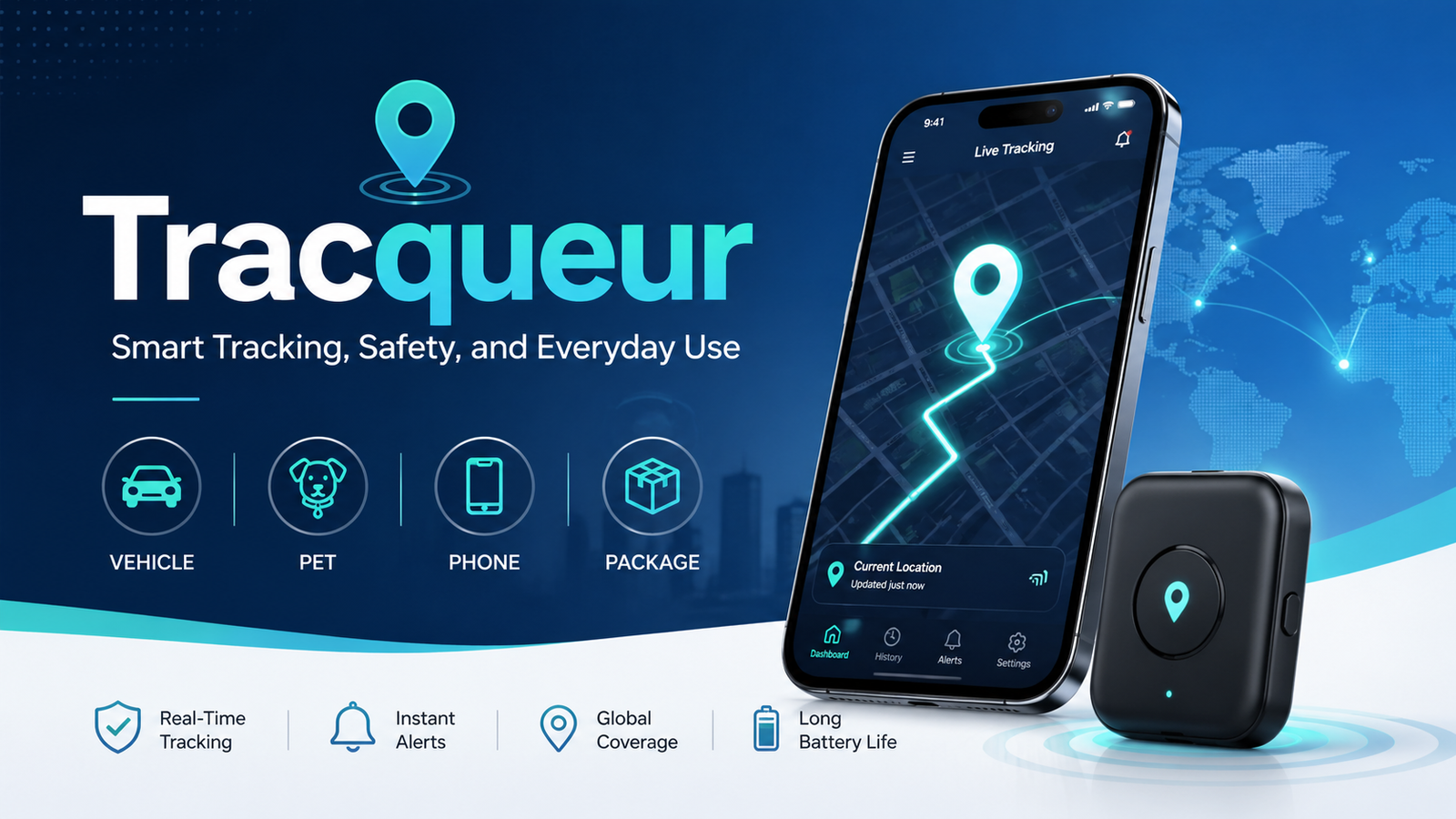
The word tracqueur may look unusual at first. Many people search for it when they are trying to understand tracking tools, GPS trackers, mobile tracking apps, or the French word “traqueur,” which means tracker or a person/device that tracks something. Collins and Le Robert define traqueur as a tracker, often linked with following, finding, or monitoring something.
Today, the idea of a tracqueur is bigger than one simple word. It can mean a GPS tracker for a car, a phone tracking app, a pet tracker, a fitness tracker, or even software that follows digital activity. Useful? Yes. But also something that needs care, privacy, and permission.
Let’s break it down in simple words.
What Is a Tracqueur?
A tracqueur is usually understood as a tracker. It is a tool, app, or device used to find the location, movement, or activity of a person, object, vehicle, phone, or asset.
For example, a tracqueur can help you:
- Find a lost phone
- Track a delivery vehicle
- Monitor a pet’s location
- Follow fitness or health activity
- Check the movement history of a car
- Secure business assets
Some tracking systems work through GPS. Some use Bluetooth. Some use mobile networks, Wi-Fi signals, or app-based location sharing. And some systems combine more than one method to improve accuracy.
Google’s Find Hub, for example, helps Android users locate, lock, erase, or ring a lost Android device. Apple’s Find My system and AirTag also help users find devices and personal items, with built-in privacy features.
Why People Search for Tracqueur
People search for tracqueur for different reasons. Some are looking for the meaning of the word. Some want a GPS device. Others may want a tracking app for phone safety, vehicle security, or family location sharing.
And honestly, that makes sense.
Life is busy. Phones get lost. Cars need protection. Pets run outside. Parents worry about kids. Businesses need to know where their vehicles or packages are. A good tracking tool can save time, money, and stress.
But there’s another side too — privacy.
Tracking should always be done with clear consent. Secret tracking can create legal and ethical problems. The Electronic Frontier Foundation warns that location data can reveal sensitive details like where someone lives, works, visits, or spends time.
Common Types of Tracqueur Tools
Not every tracqueur works the same way. Some are made for people. Some for vehicles. Some for phones. Some for pets.
Here’s a simple table:
| Type of Tracqueur | Common Use | Best For |
|---|---|---|
| GPS Tracker | Tracks real-time location | Cars, bikes, delivery vehicles |
| Phone Tracker | Helps locate mobile devices | Lost phones, family safety |
| Bluetooth Tracker | Finds nearby items | Keys, bags, wallets |
| Pet Tracker | Tracks pet movement | Cats, dogs, outdoor pets |
| Fitness Tracker | Monitors activity and health | Steps, sleep, workouts |
| Fleet Tracker | Tracks business vehicles | Logistics, transport companies |
Each type has its own purpose. A Bluetooth tracker is great for finding keys in your home, but it may not be enough for tracking a car across a city. A GPS tracker is better for long-distance location updates.
How Does a Tracqueur Work?
A tracqueur works by collecting location or activity data and showing it through an app, dashboard, or online system.
Most location trackers use one or more of these technologies:
- GPS: Uses satellites to find outdoor location
- Bluetooth: Works for short-range item tracking
- Wi-Fi: Helps estimate location near networks
- Mobile networks: Uses cell towers for broader coverage
- Cloud software: Stores and displays tracking data
Some advanced GPS platforms offer real-time maps, reports, alerts, and location history. Traccar, for example, describes itself as an open-source GPS tracking system for vehicle and personal tracking, with real-time view, reports, and notifications.
That’s the basic idea. The device sends a signal. The app receives it. You see the location.
Simple on the surface… but powerful behind the scenes.
Benefits of Using a Tracqueur
A tracqueur can be very helpful when used the right way.
Here are some clear benefits:
- Better safety: You can locate family members, pets, or valuable items.
- Lost device recovery: You can find, lock, or erase a phone.
- Vehicle protection: You can monitor cars, bikes, and company vehicles.
- Business control: Fleet owners can manage delivery routes and reduce misuse.
- Peace of mind: You don’t have to panic every time something goes missing.
- Location history: Some tools show where an item or device has been.
For families, a tracqueur can be useful during travel, school pickups, or emergencies. For businesses, it can support delivery tracking, driver monitoring, and asset protection.
But again — permission matters.
Privacy Risks You Should Know
Tracking technology is helpful, but it can also be misused. That’s why privacy is such a big topic.
A tracqueur may collect:
- Live location
- Movement history
- Device details
- Travel patterns
- Time spent at certain places
This kind of data is personal. Very personal.
Apple says AirTag location data is encrypted and that only the owner can see the item location. It also provides unwanted tracking alerts to help protect people from being secretly followed.
Still, users should be careful. Before installing any tracking app or device, check:
- Does the person know they are being tracked?
- Is tracking allowed by local law?
- Can the user turn it off?
- Is the data protected?
- Does the app sell or share location data?
- Are there clear privacy settings?
If the answer is unclear, don’t rush. Read the privacy policy first.
How to Choose the Right Tracqueur
Choosing the right tracqueur depends on your need. Don’t just buy the first device or app you see.
Look for these features:
- Real-time location updates
- Good battery life
- Easy mobile app
- Strong privacy controls
- Clear pricing
- Location history
- Geofencing alerts
- Good customer reviews
- Safe data storage
For cars, choose a GPS tracker with strong network coverage. For keys or bags, a Bluetooth tracker may be enough. For phones, official tools like Google Find Hub or Apple Find My are safer starting points because they are built into major platforms.
And don’t forget cost. Some trackers look cheap at first, but then charge monthly fees.
Best Uses of a Tracqueur in Daily Life
A tracqueur is not only for tech lovers. Normal people use tracking tools every day.
You may use one to:
- Find your phone before leaving home
- Track a delivery package
- Keep an eye on your parked bike
- Check if your pet left the safe area
- Help elderly family members stay safe
- Manage vehicles for a small business
- Find luggage while traveling
Small thing, big help.
But don’t use a tracqueur to secretly watch someone. That’s not smart. It can damage trust and may also break the law.
Tracqueur vs Tracker: Is There Any Difference?
In simple terms, tracqueur is often used as a variant or misspelling related to traqueur, the French word for tracker. In English, most people use the word tracker.
So if your audience is searching “tracqueur,” they may be looking for:
- Tracker meaning
- GPS tracker
- Phone tracker
- Tracking app
- French translation of tracker
- Tracking device information
That makes tracqueur a useful keyword for an informational article, especially if you explain the meaning clearly.
Final Thoughts
A tracqueur is basically a tracker — a tool that helps find, follow, or monitor location and movement. It can be a phone app, GPS device, Bluetooth tag, pet tracker, or business fleet system.
Used properly, it can make life easier. It helps protect phones, vehicles, pets, packages, and even people in emergency situations.
But tracking is not something to take lightly. Privacy matters. Consent matters. Safe data handling matters too.
So before using any tracqueur, ask yourself one simple question:
Is this helpful, legal, and respectful?
If yes, a tracqueur can be a smart tool. If not… better pause and choose a safer way.